
Microwaving vs Steaming Vegetables: Which is Good?

Dec 26, Friday


Microwaving vs Steaming Vegetables: Which is Good?Food & Cooking

December 24, 2025 14:41
Microwaving vs Steaming Vegetables: Which is Good?

(Image source from: Canva.com)

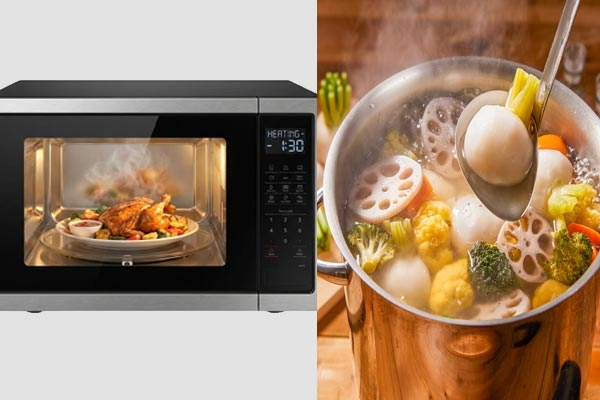
Cooking veggies is important for taste and how easy they are to digest, but the way you prepare them can affect their nutritional benefits. Using a microwave or steaming tends to be better than boiling since they use less water and help keep the nutrients. Microwaving heats food quickly and with little water, which helps save delicate vitamins. Steaming uses indirect heat to keep the food's texture and color intact while also protecting important nutrients. Nutrition expert Rupali Datta points out that cooking vegetables quickly and using just a bit of water is essential for keeping vitamins and antioxidants. Studies have looked into how these cooking methods impact antioxidants and vitamins, but the findings can change based on the type of vegetable and how long you cook them. So, which method really helps keep your nutrients? Let's explore.

Advantages Of Microwaving Vegetables:

Better Nutrient Preservation: Microwaving uses fast heat and a small amount of water, which helps maintain water-soluble vitamins like vitamin C and the B vitamins. A study published in the Journal of Food Science found that quick cooking times help reduce damage from oxidation, making microwaving one of the top choices for keeping nutrients safe. This is especially helpful for vegetables that lose nutrients easily, like spinach and broccoli.

Saves Time And Easy To Use: Microwaving is great for people with busy lives. It can cook vegetables in just a few minutes without needing complicated setups, making it easier to eat healthily. This simplicity encourages people to cook more at home, leading to better eating habits and reduced dependence on processed foods.

Energy Efficient And Environmentally Friendly: Microwaves use less energy than steaming or boiling on the stove. Their quick cooking time decreases electricity consumption, making them a good choice for anyone wanting to minimize their environmental impact. This efficiency also keeps your kitchen cooler, which is a nice advantage in hot weather.

Flexible Cooking Options: Whether you're steaming vegetables in special microwave-safe containers or warming up leftovers, microwaving gives you many options without sacrificing nutrition. It's perfect for small servings and quick snacks, making it easier to eat healthily. You can even prepare grains and legumes in the microwave, saving you time while maintaining quality.

Benefits Of Steaming Vegetables:

Gentle Cooking For Delicate Nutrients: Steaming uses heat that is not direct, which helps keep antioxidants and phytonutrients. A study published in Acta Horticulturae showed that steaming broccoli maintains most of the glucosinolates, which are associated with health benefits. This technique is especially good for vegetables such as asparagus and green beans, which can quickly lose nutrients when exposed to high heat.

Preserves Flavour And Texture: In contrast to boiling, steaming helps vegetables stay crunchy and colorful. This not only improves the eating experience but also makes the dishes look more attractive, encouraging healthier options. The gentle heat makes sure the vegetables keep their natural sweetness and brightness.

No Added Fat For Healthier Meals: Steaming does not use any oil or butter, making it perfect for low-calorie eating plans. It allows you to enjoy nutritious vegetables in their most natural state without undermining your health objectives. Therefore, steaming is a great choice for anyone following clean eating habits.

Consistent Nutrient Retention Across Varieties: As vegetables do not come into contact with water, steaming reduces the loss of nutrients. Minerals and vitamins that dissolve in water stay intact, making this technique dependable for many types of produce. It works especially well for root vegetables and leafy greens.

Both microwaving and steaming are great for keeping nutrients, but which is better depends on your priorities. If you value quickness and convenience, microwaving is hard to match. It usually preserves more vitamin C and antioxidants due to its fast cooking method. If you care more about texture and taste, then steaming is the best choice as it keeps vegetables crunchy and colorful while maintaining minerals and phytonutrients. The basic rule? Keep cooking times brief and limit water usage for the best nutrition. Delicate veggies shine when steamed. Asparagus, broccoli, and green beans remain crisp and vibrant, making them ideal options. Root vegetables like carrots and potatoes also benefit from steaming since they cook evenly without becoming soggy. Fish fillets are also a great choice, remaining moist and soft while soaking up gentle flavors from herbs and spices in the steamer.

Microwaving is effective for quickly cooking vegetables like spinach, peas, and broccoli. These veggies keep significant amounts of vitamin C when cooked briefly with low water. It is also perfect for warming up leftovers while keeping texture and nutrition intact. Beyond vegetables, microwaving is suitable for grains such as quinoa and rice, providing a fast way to prepare healthy meals without the trouble of using the stove. Both steaming and microwaving are excellent methods for healthy cooking. Use the microwave for speed and nutrient retention, and opt for steaming when you want great texture and flavor. Either choice supports your health goals.

If you enjoyed this Post, Sign up for Newsletter

(And get daily dose of political, entertainment news straight to your inbox)

Rate This Article
(0 votes)
Microwaving vs Steaming Vegetables: Which is Good? | Microwaving vs Steaming Vegetable News

Microwaving vs Steaming Vegetables: Which is Good?

Dec 26, Friday


Microwaving vs Steaming Vegetables: Which is Good?Food & Cooking

December 24, 2025 14:41
Microwaving vs Steaming Vegetables: Which is Good?

(Image source from: Canva.com)

Cooking veggies is important for taste and how easy they are to digest, but the way you prepare them can affect their nutritional benefits. Using a microwave or steaming tends to be better than boiling since they use less water and help keep the nutrients. Microwaving heats food quickly and with little water, which helps save delicate vitamins. Steaming uses indirect heat to keep the food's texture and color intact while also protecting important nutrients. Nutrition expert Rupali Datta points out that cooking vegetables quickly and using just a bit of water is essential for keeping vitamins and antioxidants. Studies have looked into how these cooking methods impact antioxidants and vitamins, but the findings can change based on the type of vegetable and how long you cook them. So, which method really helps keep your nutrients? Let's explore.

Advantages Of Microwaving Vegetables:

Better Nutrient Preservation: Microwaving uses fast heat and a small amount of water, which helps maintain water-soluble vitamins like vitamin C and the B vitamins. A study published in the Journal of Food Science found that quick cooking times help reduce damage from oxidation, making microwaving one of the top choices for keeping nutrients safe. This is especially helpful for vegetables that lose nutrients easily, like spinach and broccoli.

Saves Time And Easy To Use: Microwaving is great for people with busy lives. It can cook vegetables in just a few minutes without needing complicated setups, making it easier to eat healthily. This simplicity encourages people to cook more at home, leading to better eating habits and reduced dependence on processed foods.

Energy Efficient And Environmentally Friendly: Microwaves use less energy than steaming or boiling on the stove. Their quick cooking time decreases electricity consumption, making them a good choice for anyone wanting to minimize their environmental impact. This efficiency also keeps your kitchen cooler, which is a nice advantage in hot weather.

Flexible Cooking Options: Whether you're steaming vegetables in special microwave-safe containers or warming up leftovers, microwaving gives you many options without sacrificing nutrition. It's perfect for small servings and quick snacks, making it easier to eat healthily. You can even prepare grains and legumes in the microwave, saving you time while maintaining quality.

Benefits Of Steaming Vegetables:

Gentle Cooking For Delicate Nutrients: Steaming uses heat that is not direct, which helps keep antioxidants and phytonutrients. A study published in Acta Horticulturae showed that steaming broccoli maintains most of the glucosinolates, which are associated with health benefits. This technique is especially good for vegetables such as asparagus and green beans, which can quickly lose nutrients when exposed to high heat.

Preserves Flavour And Texture: In contrast to boiling, steaming helps vegetables stay crunchy and colorful. This not only improves the eating experience but also makes the dishes look more attractive, encouraging healthier options. The gentle heat makes sure the vegetables keep their natural sweetness and brightness.

No Added Fat For Healthier Meals: Steaming does not use any oil or butter, making it perfect for low-calorie eating plans. It allows you to enjoy nutritious vegetables in their most natural state without undermining your health objectives. Therefore, steaming is a great choice for anyone following clean eating habits.

Consistent Nutrient Retention Across Varieties: As vegetables do not come into contact with water, steaming reduces the loss of nutrients. Minerals and vitamins that dissolve in water stay intact, making this technique dependable for many types of produce. It works especially well for root vegetables and leafy greens.

Both microwaving and steaming are great for keeping nutrients, but which is better depends on your priorities. If you value quickness and convenience, microwaving is hard to match. It usually preserves more vitamin C and antioxidants due to its fast cooking method. If you care more about texture and taste, then steaming is the best choice as it keeps vegetables crunchy and colorful while maintaining minerals and phytonutrients. The basic rule? Keep cooking times brief and limit water usage for the best nutrition. Delicate veggies shine when steamed. Asparagus, broccoli, and green beans remain crisp and vibrant, making them ideal options. Root vegetables like carrots and potatoes also benefit from steaming since they cook evenly without becoming soggy. Fish fillets are also a great choice, remaining moist and soft while soaking up gentle flavors from herbs and spices in the steamer.

Microwaving is effective for quickly cooking vegetables like spinach, peas, and broccoli. These veggies keep significant amounts of vitamin C when cooked briefly with low water. It is also perfect for warming up leftovers while keeping texture and nutrition intact. Beyond vegetables, microwaving is suitable for grains such as quinoa and rice, providing a fast way to prepare healthy meals without the trouble of using the stove. Both steaming and microwaving are excellent methods for healthy cooking. Use the microwave for speed and nutrient retention, and opt for steaming when you want great texture and flavor. Either choice supports your health goals.

If you enjoyed this Post, Sign up for Newsletter

(And get daily dose of political, entertainment news straight to your inbox)

Rate This Article
(0 votes)