US Hits Iran Missiles Near Hormuz

Apr 25, Saturday


US Hits Iran Missiles Near HormuzTop Stories

March 18, 2026 14:12
US Hits Iran Missiles Near Hormuz

(Image source from: english.gujaratsamachar.com)

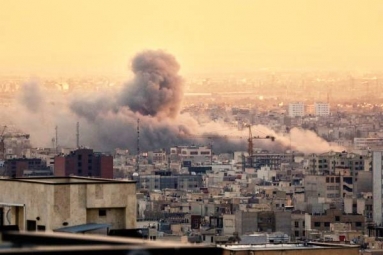
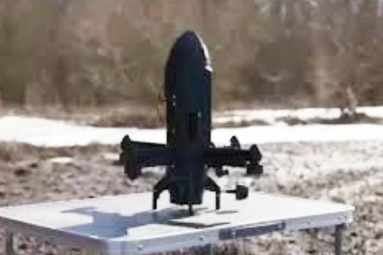
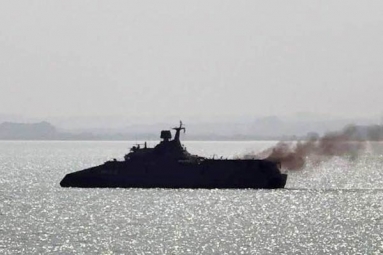
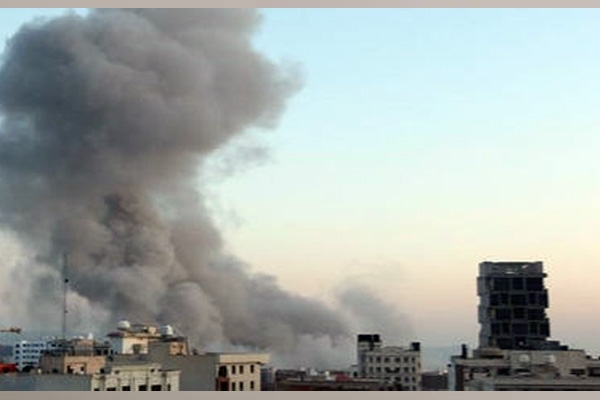
In the first significant effort to reopen the Strait of Hormuz, the US military announced that it targeted Iranian missile locations near this crucial water route with some of its strongest bombs. The US Central Command stated that it launched several 5,000-pound (around 2,268-kilogram) deep penetrator bombs on fortified Iranian missile locations along Iran's coast near the Strait. "US forces effectively used several 5,000-pound deep penetrator bombs on fortified Iranian missile sites along Iran's coastline close to the Strait of Hormuz," Central Command mentioned in a statement on X. "The Iranian cruise missiles at these sites posed a threat to international shipping in the strait. "

This bombing operation followed Iran's closure of the Strait of Hormuz, through which 20% of the world's oil supply passes, as a response to the ongoing conflict against the country by the US and Israel. This restriction has greatly hindered maritime traffic and led to a worldwide rise in energy costs.

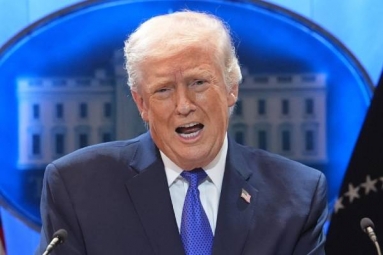
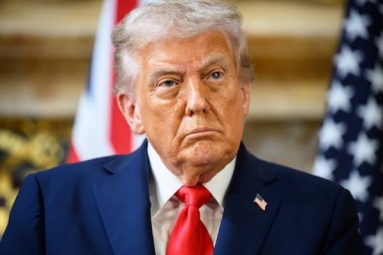
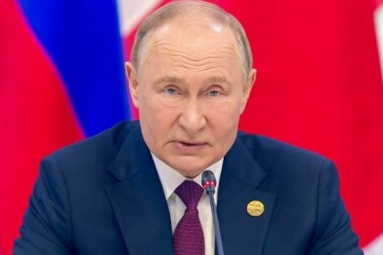
The US action occurred after most American allies, including NATO, turned down President Donald Trump's requests for assistance in securing the Strait of Hormuz to alleviate the blockade of the region's oil exports. Expressing frustration at not being able to garner support for his chosen conflict in Iran, Trump claimed he was fighting for the world's benefit, even if people did not recognize his contributions. He expressed irritation that the US was not receiving backing "even though we helped" NATO "a lot," and asserted that it was in the allies' interest to stop Iran from obtaining nuclear arms. Iran has asserted it does not plan to create nuclear weapons and pursues its nuclear program for peaceful aims, such as generating energy. "You would have thought they would say, 'We'd be happy to send a few minesweepers. ' That's not a huge request," Trump remarked. "It doesn't require much money. But they didn’t do that. "

Despite his frustration with traditional US allies, Trump maintained that he is 'fine' with the evolving situation of the conflict, which, for better or worse, will largely depend on him. While Israeli Prime Minister Benjamin Netanyahu had been encouraging him to take this route for months, Trump has increasingly argued that the decision to engage in conflict was made by just one person. It began based on what Trump described as a "feeling" regarding the threat from Iran, and he has stated it will conclude when he feels it is time. The bombs known as bunker busters – which, according to a 2022 report by Air Force Times, are estimated to cost around $288,000 each – are still less powerful than the 30,000-pound bombs used by the US against Iranian nuclear sites last year. These bombs are designed for striking targets that are fortified or buried deep underground.

If you enjoyed this Post, Sign up for Newsletter

(And get daily dose of political, entertainment news straight to your inbox)

Rate This Article
(0 votes)
Tagged Under :
USA Vs Iran  Iran Missiles  US  
US Hits Iran Missiles Near Hormuz | USA Vs Iran News

US Hits Iran Missiles Near Hormuz

Apr 25, Saturday


US Hits Iran Missiles Near HormuzTop Stories

March 18, 2026 14:12
US Hits Iran Missiles Near Hormuz

(Image source from: english.gujaratsamachar.com)

In the first significant effort to reopen the Strait of Hormuz, the US military announced that it targeted Iranian missile locations near this crucial water route with some of its strongest bombs. The US Central Command stated that it launched several 5,000-pound (around 2,268-kilogram) deep penetrator bombs on fortified Iranian missile locations along Iran's coast near the Strait. "US forces effectively used several 5,000-pound deep penetrator bombs on fortified Iranian missile sites along Iran's coastline close to the Strait of Hormuz," Central Command mentioned in a statement on X. "The Iranian cruise missiles at these sites posed a threat to international shipping in the strait. "

This bombing operation followed Iran's closure of the Strait of Hormuz, through which 20% of the world's oil supply passes, as a response to the ongoing conflict against the country by the US and Israel. This restriction has greatly hindered maritime traffic and led to a worldwide rise in energy costs.

The US action occurred after most American allies, including NATO, turned down President Donald Trump's requests for assistance in securing the Strait of Hormuz to alleviate the blockade of the region's oil exports. Expressing frustration at not being able to garner support for his chosen conflict in Iran, Trump claimed he was fighting for the world's benefit, even if people did not recognize his contributions. He expressed irritation that the US was not receiving backing "even though we helped" NATO "a lot," and asserted that it was in the allies' interest to stop Iran from obtaining nuclear arms. Iran has asserted it does not plan to create nuclear weapons and pursues its nuclear program for peaceful aims, such as generating energy. "You would have thought they would say, 'We'd be happy to send a few minesweepers. ' That's not a huge request," Trump remarked. "It doesn't require much money. But they didn’t do that. "

Despite his frustration with traditional US allies, Trump maintained that he is 'fine' with the evolving situation of the conflict, which, for better or worse, will largely depend on him. While Israeli Prime Minister Benjamin Netanyahu had been encouraging him to take this route for months, Trump has increasingly argued that the decision to engage in conflict was made by just one person. It began based on what Trump described as a "feeling" regarding the threat from Iran, and he has stated it will conclude when he feels it is time. The bombs known as bunker busters – which, according to a 2022 report by Air Force Times, are estimated to cost around $288,000 each – are still less powerful than the 30,000-pound bombs used by the US against Iranian nuclear sites last year. These bombs are designed for striking targets that are fortified or buried deep underground.

If you enjoyed this Post, Sign up for Newsletter

(And get daily dose of political, entertainment news straight to your inbox)

Rate This Article
(0 votes)
Tagged Under :
USA Vs Iran  Iran Missiles  US