After Death of Ayatollah Ali Khamenei, Iran Enters Survival Mode

Mar 14, Saturday


After Death of Ayatollah Ali Khamenei, Iran Enters Survival ModeTop Stories

March 02, 2026 13:45
After Death of Ayatollah Ali Khamenei, Iran Enters Survival Mode

(Image source from: AFP)

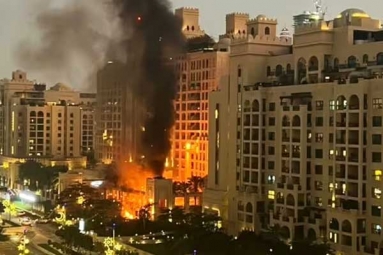
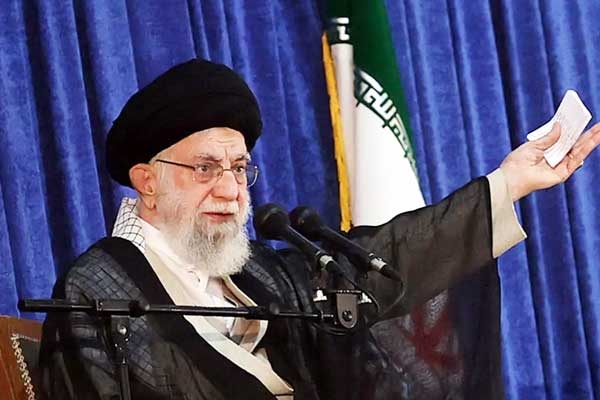
Two weeks ago, something unexpected occurred on Iranian state television - a reporter accidentally shouted "death to Khamenei" while he was live on air. He was reporting on state-sponsored rallies celebrating the anniversary of the 1979 revolution that established Iran's religious leadership, but he intended to say "death to America. " His mistake led to his dismissal, but it also highlighted how much former Supreme Leader, Ayatollah Ali Khamenei - who died in US and Israeli airstrikes on Saturday - had become an object of hatred after nearly 40 years of strict governance over a nation of over 90 million people. The 86-year-old cleric was killed following many years of exchanging threats and, more recently, missiles with the US and Israel. Images from satellites revealed that the secure area in central Tehran where his home and offices were situated is now reduced to rubble. Four of his family members, including his daughter and a grandchild, also lost their lives. Khamenei's death could lead to major changes for the Middle East and beyond. While it symbolizes the closing of a chapter for Iranians - as most have known only one leader - at this moment, with ongoing conflict in the Persian Gulf, the Islamic Republic as a governing system still persists.

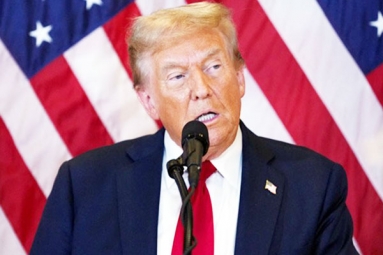
"Iran's regular army and the Islamic Revolutionary Guard Corps are still united, holding onto the security system and are committed to resisting until they wear out the US and Israel - or go down fighting," stated Ellie Geranmayeh, a senior fellow at the European Council on Foreign Relations. Videos on social media over the weekend showed people in some areas of Iran celebrating Khamenei's passing. However, there are no indications that there are any attempts to "take over" the government, as US President Donald Trump has encouraged Iranians to do. Security has been enhanced in cities and towns across the nation, with Tehran residents reporting a significant presence of volunteer militias and armed police on the streets. "Even though Trump has urged the Iranian public to take this moment to rise up and overthrow the regime, ordinary Iranians are likely to focus more on their safety and shelter rather than taking to the streets," Geranmayeh emphasized. There is no organized opposition within Iran. The constitution prohibits any political groups from questioning or rejecting the Islamic Republic and the idea of having a religious supreme leader as unchangeable.

Reformers who have opposed this have frequently been jailed, particularly right after the protests in January when security forces reportedly killed over 7,000 people, according to recent figures by human rights organizations. This absence of any acceptance for grassroots political efforts lacking constitutional backing means that Iranians living outside their country have mainly taken control of the alternative political arena. Most of them demand the total abolition of the theocratic regime.

Reza Pahlavi, the ex-crown prince of Iran and the son of the overthrown Shah, became a prominent figure in the recent protests, encouraging many to take to the streets in early January. He is seen as a divisive character in Iran and has yet to gain support from Trump. The remaining high-ranking political and security leaders in the country seem to be making choices after spending the months since June’s air attacks by Israel and the US preparing for the chance of war and the possible assassination of Khamenei.

"His passing is likely to have major effects on the functioning of the Islamic Republic, not necessarily on its survival, but on how the Islamic Republic behaves both domestically and internationally," explained Mehran Kamrava, a government professor at Georgetown University in Qatar. "In the immediate future, Iran will be ruled according to the constitution. It will be led by a council consisting of the leaders of the judiciary, the legislature, and the executive," Kamrava mentioned, noting that the Assembly of Experts—which will choose Khamenei's replacement—is expected to convene as usual. Speculation about who that successor could be often focuses on Khamenei's second-oldest son Mojtaba, who is believed to be alive. "The very speed at which his death was announced," added Kamrava, "suggests one of two scenarios: either his death was difficult to conceal, or a successor has already been chosen behind closed doors, and the leadership transition is underway".

If you enjoyed this Post, Sign up for Newsletter

(And get daily dose of political, entertainment news straight to your inbox)

Rate This Article
(0 votes)
Tagged Under :
Iran  Ayatollah Ali Khamenei  
After Death of Ayatollah Ali Khamenei, Iran Enters Survival Mode | Ayatollah Ali Khamenei Death

After Death of Ayatollah Ali Khamenei, Iran Enters Survival Mode

Mar 14, Saturday


After Death of Ayatollah Ali Khamenei, Iran Enters Survival ModeTop Stories

March 02, 2026 13:45
After Death of Ayatollah Ali Khamenei, Iran Enters Survival Mode

(Image source from: AFP)

Two weeks ago, something unexpected occurred on Iranian state television - a reporter accidentally shouted "death to Khamenei" while he was live on air. He was reporting on state-sponsored rallies celebrating the anniversary of the 1979 revolution that established Iran's religious leadership, but he intended to say "death to America. " His mistake led to his dismissal, but it also highlighted how much former Supreme Leader, Ayatollah Ali Khamenei - who died in US and Israeli airstrikes on Saturday - had become an object of hatred after nearly 40 years of strict governance over a nation of over 90 million people. The 86-year-old cleric was killed following many years of exchanging threats and, more recently, missiles with the US and Israel. Images from satellites revealed that the secure area in central Tehran where his home and offices were situated is now reduced to rubble. Four of his family members, including his daughter and a grandchild, also lost their lives. Khamenei's death could lead to major changes for the Middle East and beyond. While it symbolizes the closing of a chapter for Iranians - as most have known only one leader - at this moment, with ongoing conflict in the Persian Gulf, the Islamic Republic as a governing system still persists.

"Iran's regular army and the Islamic Revolutionary Guard Corps are still united, holding onto the security system and are committed to resisting until they wear out the US and Israel - or go down fighting," stated Ellie Geranmayeh, a senior fellow at the European Council on Foreign Relations. Videos on social media over the weekend showed people in some areas of Iran celebrating Khamenei's passing. However, there are no indications that there are any attempts to "take over" the government, as US President Donald Trump has encouraged Iranians to do. Security has been enhanced in cities and towns across the nation, with Tehran residents reporting a significant presence of volunteer militias and armed police on the streets. "Even though Trump has urged the Iranian public to take this moment to rise up and overthrow the regime, ordinary Iranians are likely to focus more on their safety and shelter rather than taking to the streets," Geranmayeh emphasized. There is no organized opposition within Iran. The constitution prohibits any political groups from questioning or rejecting the Islamic Republic and the idea of having a religious supreme leader as unchangeable.

Reformers who have opposed this have frequently been jailed, particularly right after the protests in January when security forces reportedly killed over 7,000 people, according to recent figures by human rights organizations. This absence of any acceptance for grassroots political efforts lacking constitutional backing means that Iranians living outside their country have mainly taken control of the alternative political arena. Most of them demand the total abolition of the theocratic regime.

Reza Pahlavi, the ex-crown prince of Iran and the son of the overthrown Shah, became a prominent figure in the recent protests, encouraging many to take to the streets in early January. He is seen as a divisive character in Iran and has yet to gain support from Trump. The remaining high-ranking political and security leaders in the country seem to be making choices after spending the months since June’s air attacks by Israel and the US preparing for the chance of war and the possible assassination of Khamenei.

"His passing is likely to have major effects on the functioning of the Islamic Republic, not necessarily on its survival, but on how the Islamic Republic behaves both domestically and internationally," explained Mehran Kamrava, a government professor at Georgetown University in Qatar. "In the immediate future, Iran will be ruled according to the constitution. It will be led by a council consisting of the leaders of the judiciary, the legislature, and the executive," Kamrava mentioned, noting that the Assembly of Experts—which will choose Khamenei's replacement—is expected to convene as usual. Speculation about who that successor could be often focuses on Khamenei's second-oldest son Mojtaba, who is believed to be alive. "The very speed at which his death was announced," added Kamrava, "suggests one of two scenarios: either his death was difficult to conceal, or a successor has already been chosen behind closed doors, and the leadership transition is underway".
If you enjoyed this Post, Sign up for Newsletter

(And get daily dose of political, entertainment news straight to your inbox)

Rate This Article
(0 votes)
Tagged Under :
Iran  Ayatollah Ali Khamenei