Seven Indian CEOs Invited to Trump's Reception in Davos

Feb 7, Saturday


Seven Indian CEOs Invited to Trump's Reception in DavosTop Stories

January 20, 2026 14:07
Seven Indian CEOs Invited to Trump's Reception in Davos

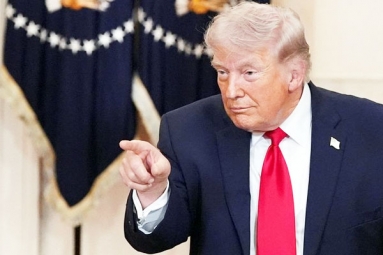
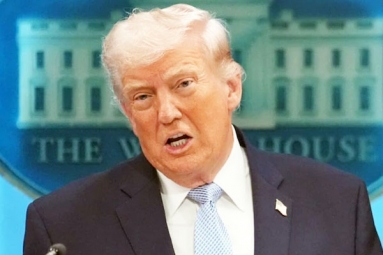
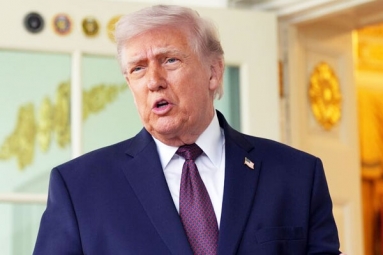
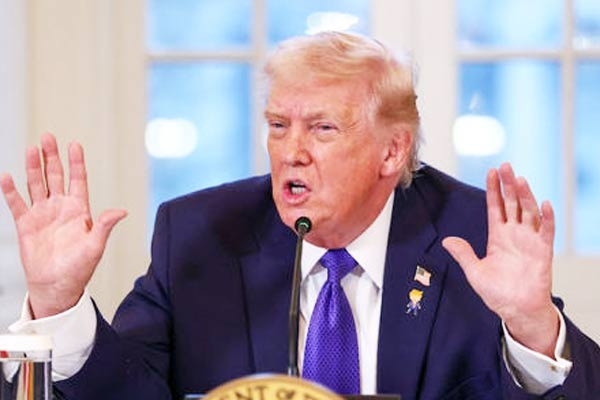
(Image source from: Msn.com)

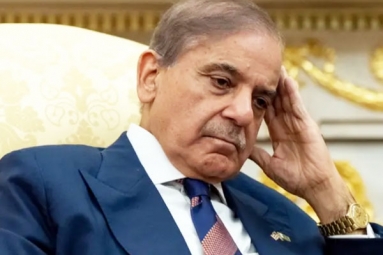
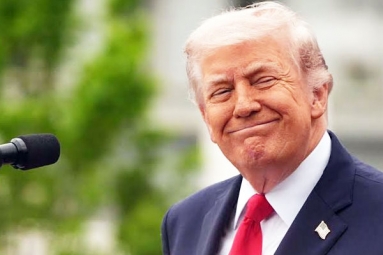
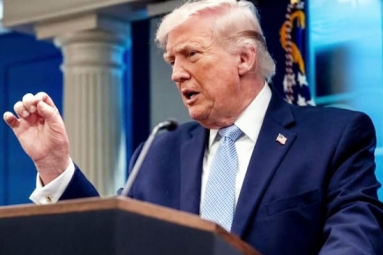
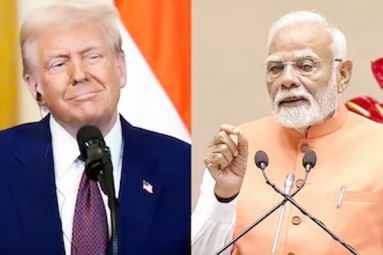
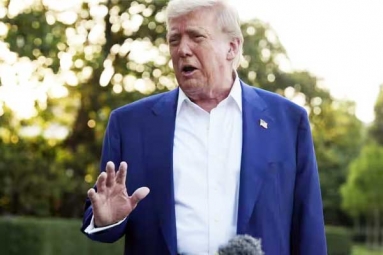
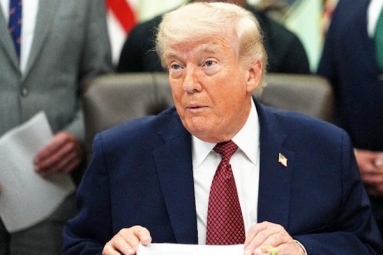
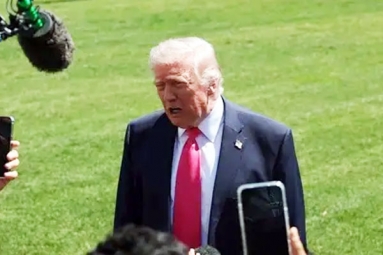
The world's top political and business leaders are meeting in the Swiss Alps this week as global uncertainty increases, and one of the most closely monitored appearances is by US President Donald Trump, who is attending the World Economic Forum for the first time in six years. Trump plans to give a main speech on Wednesday and will also host an exclusive reception. Among the guests are seven of India's most powerful business leaders. The Indian business leaders who will be at the reception include Natarajan Chandrasekaran, the Chairman of Tata Sons; Sunil Bharti Mittal, the Chairman of Bharti Enterprises; Srini Pallia, the CEO of Wipro; Salil S Parekh, the CEO of Infosys; Sanjiv Bajaj, the Chairman and Managing Director of Bajaj Finserv; Anish Shah, the Group Chief Executive of Mahindra Group; and Hari S. Bhartia, the Founder and Co-Chairman of Jubilant Bhartia Group. The attendance of these Indian CEOs highlights India’s growing significance in the global economy as multinational companies and governments reassess supply chains, technology collaborations, and investment patterns in light of a quickly changing world. As the United States and India currently discuss a new trade agreement, the strong presence of Indian leaders at Trump's events in Davos is being closely observed by government officials and investors.

Trump's visit to Davos occurs amid rising geopolitical tensions. In the past few weeks, Washington has started a significant military action in Venezuela, causing more political instability in Latin America, while Trump's desire to take control of Greenland has led to sharp reactions in Europe and strained ties with several old allies. The US president has imposed a 10% tariff on eight European nations, including Denmark, the UK, France, and Germany, and officials in his administration have indicated that this could increase to 25% after European leaders openly rejected his Greenland plan. Trump has also criticized French President Emmanuel Macron and other European leaders, accusing them of hindering what he sees as a necessary change in global security and power dynamics. Adding to diplomatic tension, Trump recently posted a map on social media showing Greenland, Canada, and Venezuela as part of the United States, which many view as a sign of a more aggressive and confrontational view of America’s power.

In his speech at Davos, Trump is expected to claim that the world is entering a new era where traditional alliances, international organizations, and established economic systems are being replaced by a more deal-oriented and power-based global system. His advisors indicate that he will present US initiatives as part of a larger plan to alter the global structure in favor of Washington. For business executives attending Davos, the likely takeaway will be that geopolitics is now a primary factor affecting markets, investment choices, and corporate strategies, rather than just a background concern.

If you enjoyed this Post, Sign up for Newsletter

(And get daily dose of political, entertainment news straight to your inbox)

Rate This Article
(0 votes)
Seven Indian CEOs Invited to Trump's Reception in Davos | Donald Trump in Davos

Seven Indian CEOs Invited to Trump's Reception in Davos

Feb 7, Saturday


Seven Indian CEOs Invited to Trump's Reception in DavosTop Stories

January 20, 2026 14:07
Seven Indian CEOs Invited to Trump's Reception in Davos

(Image source from: Msn.com)

The world's top political and business leaders are meeting in the Swiss Alps this week as global uncertainty increases, and one of the most closely monitored appearances is by US President Donald Trump, who is attending the World Economic Forum for the first time in six years. Trump plans to give a main speech on Wednesday and will also host an exclusive reception. Among the guests are seven of India's most powerful business leaders. The Indian business leaders who will be at the reception include Natarajan Chandrasekaran, the Chairman of Tata Sons; Sunil Bharti Mittal, the Chairman of Bharti Enterprises; Srini Pallia, the CEO of Wipro; Salil S Parekh, the CEO of Infosys; Sanjiv Bajaj, the Chairman and Managing Director of Bajaj Finserv; Anish Shah, the Group Chief Executive of Mahindra Group; and Hari S. Bhartia, the Founder and Co-Chairman of Jubilant Bhartia Group. The attendance of these Indian CEOs highlights India’s growing significance in the global economy as multinational companies and governments reassess supply chains, technology collaborations, and investment patterns in light of a quickly changing world. As the United States and India currently discuss a new trade agreement, the strong presence of Indian leaders at Trump's events in Davos is being closely observed by government officials and investors.

Trump's visit to Davos occurs amid rising geopolitical tensions. In the past few weeks, Washington has started a significant military action in Venezuela, causing more political instability in Latin America, while Trump's desire to take control of Greenland has led to sharp reactions in Europe and strained ties with several old allies. The US president has imposed a 10% tariff on eight European nations, including Denmark, the UK, France, and Germany, and officials in his administration have indicated that this could increase to 25% after European leaders openly rejected his Greenland plan. Trump has also criticized French President Emmanuel Macron and other European leaders, accusing them of hindering what he sees as a necessary change in global security and power dynamics. Adding to diplomatic tension, Trump recently posted a map on social media showing Greenland, Canada, and Venezuela as part of the United States, which many view as a sign of a more aggressive and confrontational view of America’s power.

In his speech at Davos, Trump is expected to claim that the world is entering a new era where traditional alliances, international organizations, and established economic systems are being replaced by a more deal-oriented and power-based global system. His advisors indicate that he will present US initiatives as part of a larger plan to alter the global structure in favor of Washington. For business executives attending Davos, the likely takeaway will be that geopolitics is now a primary factor affecting markets, investment choices, and corporate strategies, rather than just a background concern.

If you enjoyed this Post, Sign up for Newsletter

(And get daily dose of political, entertainment news straight to your inbox)

Rate This Article
(0 votes)