
India Loses $18.3 Billion On Edible Oil Imports

Aug 13, Thursday


India Loses $18.3 Billion On Edible Oil ImportsBusiness News

May 13, 2026 14:49
India Loses $18.3 Billion On Edible Oil Imports

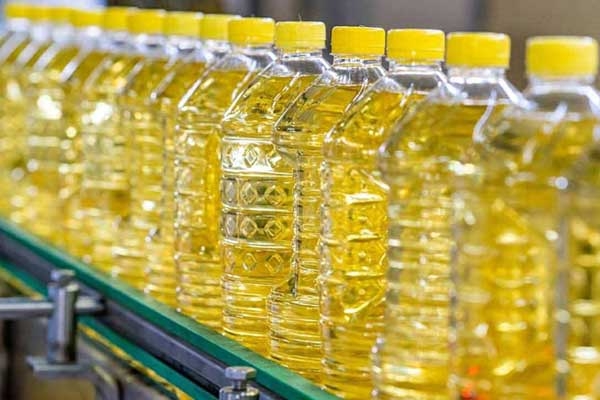
(Image source from: Newsarenaindia.com)

Prime Minister Narendra Modi's speech about "austerity" gained a lot of attention for various reasons. He urged people to cut down on fuel usage, refrain from purchasing gold for a year, work from home, and more. This surprised many, including the public and markets, but his suggestion to lessen the use of vegetable oil particularly caught people’s notice.

Vegetable oil is a common item in Indian homes, often seen as essential. However, a lot of Indians might not know that most of the cooking oil available at local stores, even in the farthest areas of India, comes from other countries. This understanding raises an important question: why can India, a country rich in agriculture, not produce enough edible oil for its citizens? Currently, India stands as one of the top importers of edible oils globally. Reports indicate that the nation spends around Rs 1.61 lakh crore each year, which is almost $18.3 billion, to bring in approximately 16 million tonnes of edible oil. This expenditure heavily drains foreign exchange resources. The situation is quite surprising: India has plenty of good land and millions of farmers, yet the amount of land used for oilseed crops is much less than that used for rice and wheat. Dr Himanshu Pathak, who is the Director General of the International Crops Research Institute for the Semi-Arid Tropics and a former Director General of the Indian Council of Agricultural Research, states that this problem is tied to both scientific and policy issues.

He mentions that India imports 15-16 million tonnes of edible oil each year because farmers view oilseeds as risky to grow. Unpredictable weather, insects, diseases, and changing prices make oilseeds less appealing compared to rice and wheat. Dr Pathak explains, “Rice and wheat are very reliable crops. They have guaranteed purchasing and strong support from policies. Oilseeds don’t have the same trust from farmers. ” He advises that India should strive to become self-sufficient in oilseed production. Another issue is related to geography. Pulses and oilseeds often end up being grown on less productive lands that have poor soil quality, limited water supply, and fewer resources, leading to low yields. Dr Pathak states, “If you plant a crop on poor land, you will get poor results. ” This situation has influenced how farmers behave. In Punjab and Haryana, rice and wheat are still commonly rotated because of guaranteed purchasing and price support for these crops. Even if oilseeds could be more profitable per litre of oil, the risks associated with them are judged to be too high. Dr Pathak points out that, economically speaking, if you consider the true expenses of producing rice, including water and electricity, oilseeds could be more lucrative. “But policy support, insurance, free electricity, and purchasing practices still favor rice and wheat”.

Dr Pathak mentions that research on oilseeds has improved after being ignored for a long time. There are now new types of oilseeds that can handle pests, diseases, and climate issues. He states, "In the past, a single disease could ruin the whole oilseed harvest. Now, we have types that can face various challenges and provide stable yields. " The quality of seeds is also very important. Quality seeds can increase crop yields by 15 to 20 percent. It is crucial to ensure that high-quality seeds are available to farmers without any loss of quality for oilseeds to become reliable. Understanding the importance of edible oils, the government has started the National Mission on Edible Oilseeds. This mission seeks to close the gap between how much is produced and how much is consumed by enhancing seed systems, expanding oilseed farming to unused lands, encouraging intercropping, and improving productivity with technology.

The mission also aims to address previous issues with policies. Raising Minimum Support Prices (MSPs), improving procurement processes, and providing insurance are intended to rebuild farmers' trust. Dr Pathak believes that achieving this goal is possible with steady policies. "We have set a clear target under the oilseed mission. With the research and policy framework now established, I believe India can become self-reliant in edible oils. " He also points out that ICRISAT is working to increase oilseed production to help the country be independent. Importantly, the National Mission on Edible Oilseeds will operate from 2024-25 to 2030-31 with a budget of Rs 10,103 crore. It focuses on important oilseed crops like rapeseed-mustard, groundnut, soybean, sunflower, and sesamum, and also aims for better extraction from secondary sources such as cottonseed, rice bran, and oils from trees. The goal is to boost the primary oilseed production from 39 million tonnes in 2022-23 to 69.7 million tonnes by 2030-31. Reducing imports of edible oil would save foreign currency, increase farmers' earnings, and lessen vulnerability to global price fluctuations. As India discusses food, energy, and climate security, edible oil remains a hidden risk — one that Indian farmers might be able to address.


If you enjoyed this Post, Sign up for Newsletter

(And get daily dose of political, entertainment news straight to your inbox)

Rate This Article
(0 votes)
India Loses $18.3 Billion On Edible Oil Imports | Edible Oil Imports News

India Loses $18.3 Billion On Edible Oil Imports

Aug 13, Thursday


India Loses $18.3 Billion On Edible Oil ImportsBusiness News

May 13, 2026 14:49
India Loses $18.3 Billion On Edible Oil Imports

(Image source from: Newsarenaindia.com)

Prime Minister Narendra Modi's speech about "austerity" gained a lot of attention for various reasons. He urged people to cut down on fuel usage, refrain from purchasing gold for a year, work from home, and more. This surprised many, including the public and markets, but his suggestion to lessen the use of vegetable oil particularly caught people’s notice.

Vegetable oil is a common item in Indian homes, often seen as essential. However, a lot of Indians might not know that most of the cooking oil available at local stores, even in the farthest areas of India, comes from other countries. This understanding raises an important question: why can India, a country rich in agriculture, not produce enough edible oil for its citizens? Currently, India stands as one of the top importers of edible oils globally. Reports indicate that the nation spends around Rs 1.61 lakh crore each year, which is almost $18.3 billion, to bring in approximately 16 million tonnes of edible oil. This expenditure heavily drains foreign exchange resources. The situation is quite surprising: India has plenty of good land and millions of farmers, yet the amount of land used for oilseed crops is much less than that used for rice and wheat. Dr Himanshu Pathak, who is the Director General of the International Crops Research Institute for the Semi-Arid Tropics and a former Director General of the Indian Council of Agricultural Research, states that this problem is tied to both scientific and policy issues.

He mentions that India imports 15-16 million tonnes of edible oil each year because farmers view oilseeds as risky to grow. Unpredictable weather, insects, diseases, and changing prices make oilseeds less appealing compared to rice and wheat. Dr Pathak explains, “Rice and wheat are very reliable crops. They have guaranteed purchasing and strong support from policies. Oilseeds don’t have the same trust from farmers. ” He advises that India should strive to become self-sufficient in oilseed production. Another issue is related to geography. Pulses and oilseeds often end up being grown on less productive lands that have poor soil quality, limited water supply, and fewer resources, leading to low yields. Dr Pathak states, “If you plant a crop on poor land, you will get poor results. ” This situation has influenced how farmers behave. In Punjab and Haryana, rice and wheat are still commonly rotated because of guaranteed purchasing and price support for these crops. Even if oilseeds could be more profitable per litre of oil, the risks associated with them are judged to be too high. Dr Pathak points out that, economically speaking, if you consider the true expenses of producing rice, including water and electricity, oilseeds could be more lucrative. “But policy support, insurance, free electricity, and purchasing practices still favor rice and wheat”.

Dr Pathak mentions that research on oilseeds has improved after being ignored for a long time. There are now new types of oilseeds that can handle pests, diseases, and climate issues. He states, "In the past, a single disease could ruin the whole oilseed harvest. Now, we have types that can face various challenges and provide stable yields. " The quality of seeds is also very important. Quality seeds can increase crop yields by 15 to 20 percent. It is crucial to ensure that high-quality seeds are available to farmers without any loss of quality for oilseeds to become reliable. Understanding the importance of edible oils, the government has started the National Mission on Edible Oilseeds. This mission seeks to close the gap between how much is produced and how much is consumed by enhancing seed systems, expanding oilseed farming to unused lands, encouraging intercropping, and improving productivity with technology.

The mission also aims to address previous issues with policies. Raising Minimum Support Prices (MSPs), improving procurement processes, and providing insurance are intended to rebuild farmers' trust. Dr Pathak believes that achieving this goal is possible with steady policies. "We have set a clear target under the oilseed mission. With the research and policy framework now established, I believe India can become self-reliant in edible oils. " He also points out that ICRISAT is working to increase oilseed production to help the country be independent. Importantly, the National Mission on Edible Oilseeds will operate from 2024-25 to 2030-31 with a budget of Rs 10,103 crore. It focuses on important oilseed crops like rapeseed-mustard, groundnut, soybean, sunflower, and sesamum, and also aims for better extraction from secondary sources such as cottonseed, rice bran, and oils from trees. The goal is to boost the primary oilseed production from 39 million tonnes in 2022-23 to 69.7 million tonnes by 2030-31. Reducing imports of edible oil would save foreign currency, increase farmers' earnings, and lessen vulnerability to global price fluctuations. As India discusses food, energy, and climate security, edible oil remains a hidden risk — one that Indian farmers might be able to address.
If you enjoyed this Post, Sign up for Newsletter

(And get daily dose of political, entertainment news straight to your inbox)

Rate This Article
(0 votes)